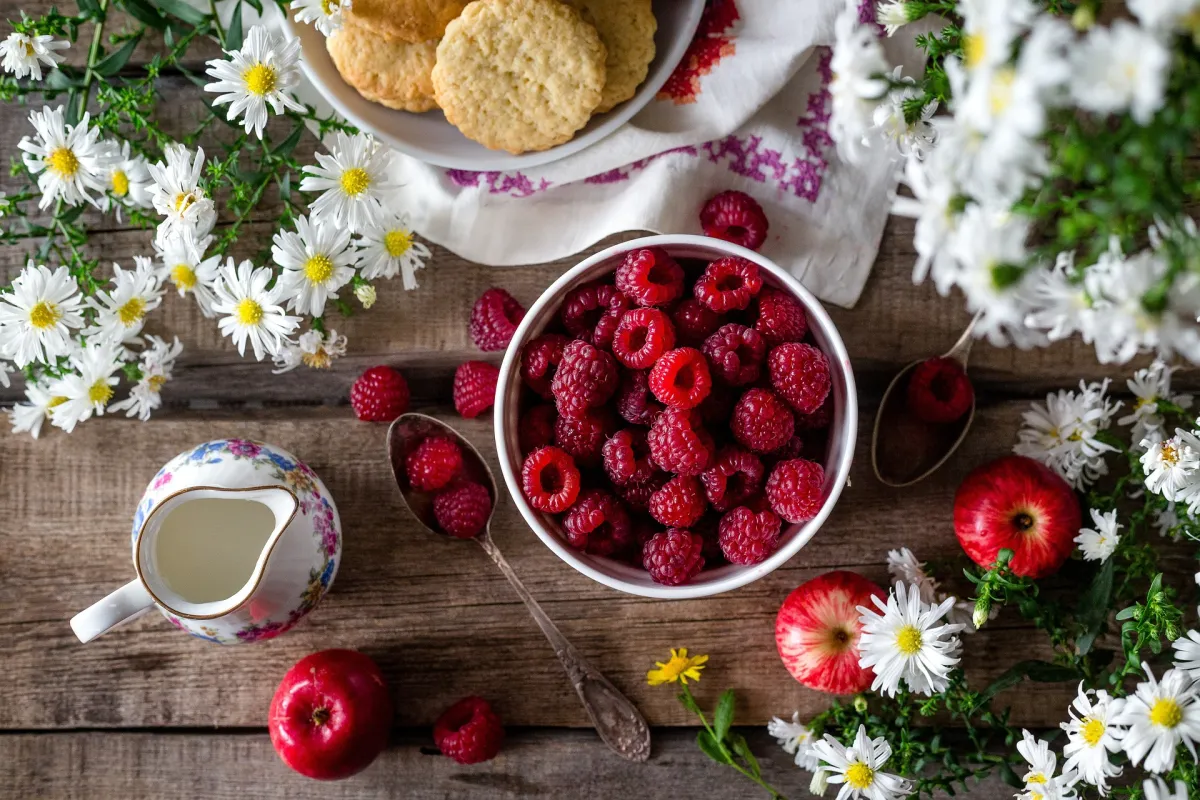
In today’s visual-centric world, food photography has emerged as a prominent and widely embraced genre. As reported by Google, food is the second most photographed subject, revealing our innate desire to document and share the ordinary yet delightful aspects of our lives. From social media platforms to food blogs, captivating images of scrumptious dishes and vibrant ingredients have captured the imagination of viewers across the globe. Mastering food photography requires a unique blend of technical skill, creativity, and a discerning eye for detail. In this article, we will delve into seven essential tips that will help you elevate your culinary captures, transforming everyday meals into visually stunning works of art.
1. Lighting is key
Natural light is your best friend when it comes to food photography. Soft, diffused light helps to highlight the textures, colors, and details of your subject. Position your dish near a window with indirect sunlight or use a light diffuser to prevent harsh shadows. Avoid using flash, as it can create unflattering reflections and overpower the natural appearance of the food. A broader understanding of the importance of light in photography will improve this immediately.
2. Experiment with angles
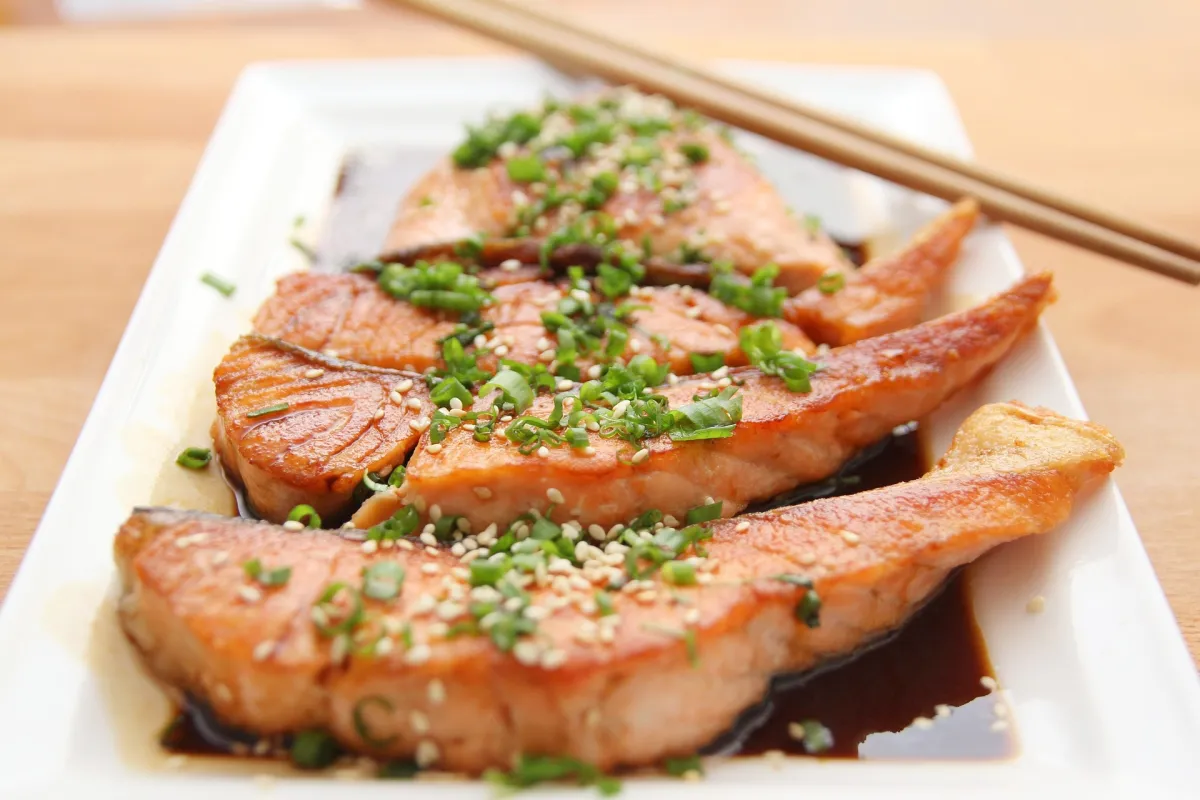
Different dishes look best from varying angles. Try shooting from above for flat, detailed subjects like pizzas or salads, while a 45-degree angle can work well for dishes with layers or height, such as burgers or stacked pancakes. Don’t be afraid to experiment and find the angle that best showcases the unique qualities of your subject.
3. Embrace the art of composition
A well-composed shot is crucial for creating visual interest. Use techniques like the rule of thirds or the golden ratio to guide your composition. Leave some negative space to let the food stand out, and consider adding props like utensils, napkins, or ingredients to add context and depth to your image. If you want a refresher, revisit the basics of composition in photography.
4. Focus on the details
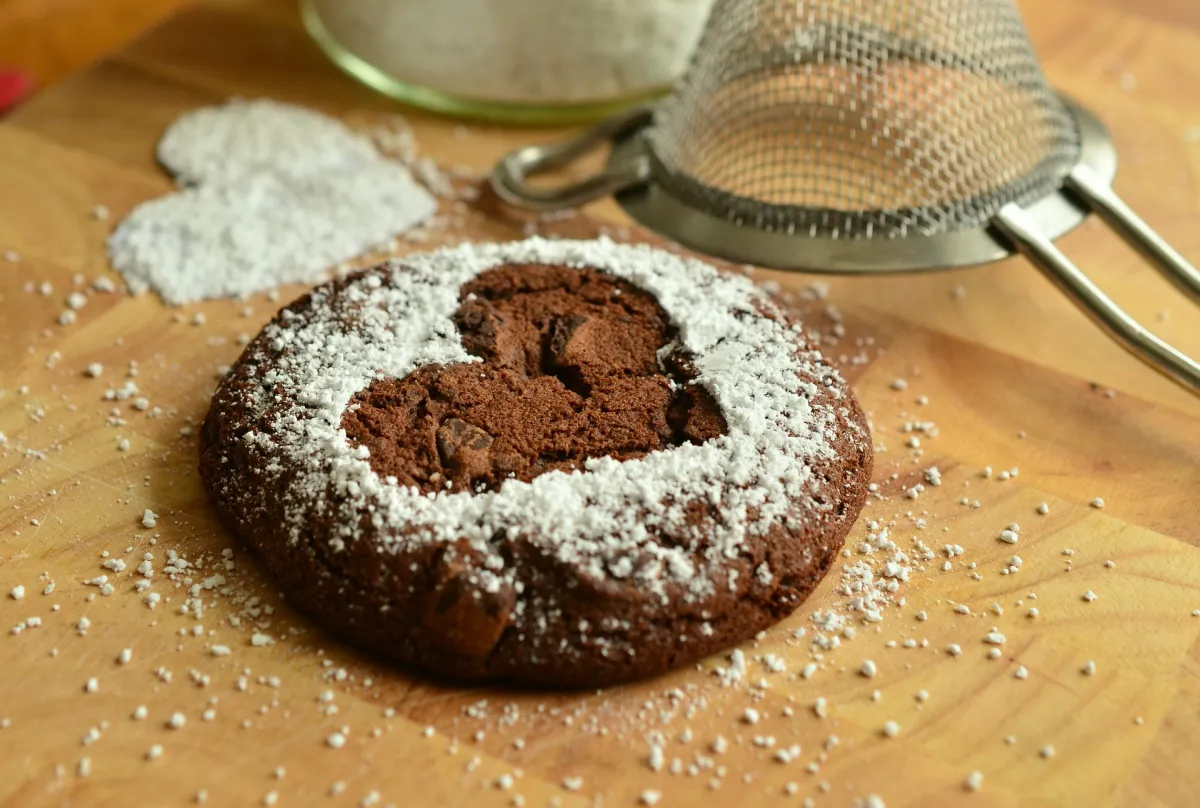
Food photography is all about showcasing the textures, colors, and intricate details that make a dish visually appealing. Ensure that your subject is well-presented and meticulously arranged. Use a macro lens or get close to your subject to capture those mouthwatering details. Don’t forget to keep an eye on the background and remove any distracting elements.
5. Harness the power of color
Color plays a vital role in making food look appetizing. Experiment with contrasting or complementary colors to make your subject pop. Use colorful ingredients, plates, or backgrounds to create a visually engaging scene. Be mindful of color balance and saturation to ensure your images look natural and appealing.
6. Tell a story through your images
Great food photography is not just about capturing a dish; it’s about evoking emotions and telling a story. Consider the mood you want to convey and style your scene accordingly. Use props, lighting, and composition to create a narrative that connects with your audience and showcases the essence of the dish. That storytelling instinct is exactly what makes how to express yourself through photography so useful.
7. Post-processing for perfection
While it’s crucial to get your shots right in-camera, post-processing can help enhance your images and bring out the best in your food photography. Use editing software like Adobe Lightroom or Photoshop to adjust exposure, color balance, and sharpness. Be careful not to over-edit, as it can make your images look artificial and unappetizing. For a deeper workflow, see a comprehensive guide to post-processing RAW images.
By incorporating these tips into your food photography practice, you’ll be well on your way to capturing stunning images that showcase the beauty and artistry of culinary creations. Remember, practice makes perfect, so keep experimenting, learning, and refining your skills to become a master of this tantalizing visual genre.
In conclusion, mastering the art of food photography requires a combination of technical skill, creativity, and a keen eye for detail. By using these tips, you’ll be better equipped to create visually stunning and appetizing images that celebrate the beauty of culinary creations. Once you’ve captured those shots, a platform like Yogile can help you store them, share them privately, and collect contributions from other people who were part of the meal or event.